





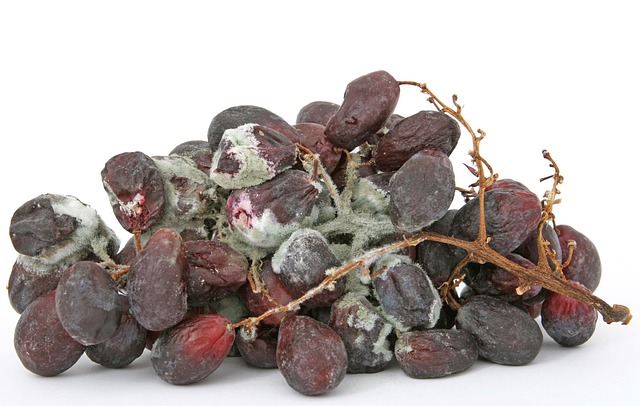
Mold growth, fueled by dampness and poor ventilation, poses significant risks. Mold remediation naturally involves advanced techniques like air filtration, negative pressure containment, and specialized equipment. Professionals use natural enzymes to break down spores and reduce humidity, inhibiting future growth. Regular inspections, structural repairs, and proper ventilation are key for long-term prevention across diverse climates.
In the realm of home maintenance, mold remediation has emerged as a paramount concern, impacting both health and property values. Mold growth, often unseen, can proliferate in damp environments, posing significant risks to residents. Recognizing this pressing issue, we offer a comprehensive guide to effective mold removal strategies, guaranteed or your money back.
Traditional methods often rely on harsh chemicals, but we advocate for natural approaches to mold remediation. By exploring eco-friendly techniques and best practices, homeowners can ensure a safe, healthy environment without compromising their budget or the planet’s well-being. This authoritative article equips you with the knowledge to tackle mold head-on, promoting peace of mind and a thriving living space.
- Understanding Mold Growth & Health Risks
- Natural Mold Remediation Strategies
- Safe & Effective Removal Techniques
- Preventing Future Mold Outbreaks
Understanding Mold Growth & Health Risks

Mold growth is a complex issue that requires a deep understanding to effectively address. Mold thrives in damp environments with inadequate ventilation, often lurking in hidden spaces such as basements, bathrooms, and areas affected by water leaks or high humidity. Once established, mold can rapidly spread, causing structural damage to buildings and posing significant health risks to occupants. The presence of mold can lead to a range of adverse effects, from mild allergies and respiratory irritation to more severe issues like neurological problems and compromised immune systems, especially in children, the elderly, and individuals with pre-existing conditions.
A key aspect of addressing mold-related concerns is recognizing that conventional methods of mold removal may not always be effective or safe. This is where expert mold remediation naturally comes into play. Affordable mold remediation services Austin, for instance, have evolved to offer comprehensive solutions that go beyond simple cleaning. Top-rated mold removal services in cities like Atlanta and San Jose prioritize the use of eco-friendly products and specialized equipment to ensure thorough decontamination without causing further harm. For example, Property Restoration of the Capital Region employs advanced techniques such as air filtration systems and negative pressure containment to mitigate mold growth while minimizing exposure for technicians and residents alike.
Moreover, a professional approach involves thorough inspection and testing to identify the extent of mold contamination. Mold inspection and removal Atlanta experts utilize advanced moisture meters and air quality tests to pinpoint sources of moisture and assess the severity of mold colonization. Once identified, specialized equipment is used to remove affected materials, including contaminated insulation, drywall, and flooring. In some cases, natural solutions like borax or vinegar can be incorporated into the remediation process, offering a safer alternative to harsh chemicals. Effective mold remediation goes beyond cleaning; it involves restoring the environment to prevent future growth and ensuring the health and safety of all occupants.
Natural Mold Remediation Strategies

In addressing mold issues, Property Restoration of the Capital Region advocates for natural mold remediation strategies as a safer and more environmentally friendly alternative to conventional methods. Many professional local mold specialists Portland, top-rated mold abatement Denver, and experienced mold remediation Sacramento services now offer these approaches, leveraging the power of nature to effectively combat mold without resorting to harsh chemicals. One proven method involves the use of natural enzymes that break down mold spores, rendering them harmless. For instance, a study by the University of Connecticut found that certain enzymes can degrade mold mycotoxins, providing a non-toxic solution for affected areas.
Beyond enzymatic treatments, physical removal and restoration techniques play a crucial role in natural mold remediation. This includes carefully removing contaminated materials, such as drywall or carpeting, and employing specialized equipment to contain and eliminate mold spores during the cleanup process. Proper ventilation and the use of HEPA filters are essential components of these strategies, ensuring that any remaining spores are contained and filtered out. For example, a recent case study in Sacramento highlighted the success of a natural remediation project where a severely mold-infested home was restored using physical removal and air purification techniques, leaving no trace of mold behind.
Another effective strategy involves increasing ventilation and light exposure in affected areas. Mold thrives in dark, damp environments, so introducing natural light and improving airflow can significantly inhibit its growth. Incorporating dehumidifiers is also vital to reduce humidity levels, creating an environment that discourages mold development. By combining these techniques with regular monitoring, property owners can maintain a healthy, mold-free living space without relying on harsh chemicals. This holistic approach not only ensures the safety of occupants but also contributes to a more sustainable and eco-conscious home environment.
Safe & Effective Removal Techniques

When it comes to mold removal, ensuring both safety and effectiveness is paramount. The process requires specialized knowledge and equipment to mitigate health risks associated with mold exposure while eliminating the fungus entirely. Natural mold remediation techniques have gained popularity as an eco-friendly alternative to chemical-based solutions. For instance, using enzymes or essential oils can break down mold spores and prevent recurrence without releasing harmful toxins. This method is particularly beneficial for areas like New Orleans, where a safe mold cleanup is crucial due to the region’s humid climate.
Basement mold prevention in cities like New York presents unique challenges. Moisture intrusion and limited ventilation create ideal conditions for mold growth. A proactive approach involves addressing water leaks promptly and improving airflow through proper ventilation systems. Regular inspections can help catch potential issues early, reducing the extent of mold remediation needed. In Boston, where musty smells may indicate hidden mold problems, residents should consider professional assessments to ensure thorough identification and treatment.
Property Restoration of the Capital Region offers a comprehensive solution tailored to each location’s specific needs. Our experts utilize advanced techniques like air filtration systems and negative air pressure to contain and eliminate mold effectively. We understand that every case is unique, so we provide customized strategies for basement mold prevention, musty smell elimination, and safe mold cleanup in New Orleans, Boston, and beyond. By combining natural remediation methods with modern technology, we guarantee effective results or your money back.
Preventing Future Mold Outbreaks

Preventing future mold outbreaks is paramount for any property owner, especially after experiencing an infestation. Effective mold remediation naturally involves a multi-faceted approach that goes beyond simple cleanup. In cities like Sacramento, Seattle, and Houston—where diverse climates present unique challenges—experienced mold remediation professionals employ eco-friendly techniques to mitigate risks and restore environments safely.
One of the key strategies in mold prevention is identifying and addressing moisture issues promptly. Excessive humidity, leaky pipes, or inadequate ventilation can create breeding grounds for mold. In Sacramento’s warm, humid summers, for instance, proactive measures such as improving air circulation and using dehumidifiers in damp areas can significantly reduce the risk. Similarly, Seattle’s cool, wet winters necessitate year-round monitoring of potential water intrusion points to prevent moisture buildup that encourages mold growth.
Beyond initial remediation, establishing long-term prevention plans is crucial. This includes regular inspections, addressing structural issues like roof leaks or foundation cracks, and implementing proper ventilation strategies. Property Restoration of the Capital Region emphasizes thorough drying after any water events as a fundamental step in mold prevention. For example, following Houston’s frequent hurricanes, prompt storm damage restoration including dehumidification and repair can prevent widespread mold formation that often follows extensive flooding.
By combining these natural, eco-friendly methods with expert knowledge specific to each city’s climate, property owners can effectively halt future mold outbreaks, ensuring healthier living environments.
By understanding mold growth patterns and their associated health risks, readers can proactively address this common yet potentially harmful issue. The article has offered a comprehensive guide to effective mold remediation, emphasizing natural strategies where possible. Key takeaways include the importance of swift action upon discovering mold, utilizing natural remedies like vinegar and essential oils for initial cleanup, and ensuring proper ventilation to prevent future outbreaks. Safe removal techniques, such as using personal protective equipment and moisture control, are essential to protect both health and environmental integrity. Moreover, readers now possess practical knowledge on preventing mold issues through source elimination, effective dehumidification, and regular inspection. With these insights, individuals can confidently tackle mold problems naturally, ensuring a healthier living environment without compromising safety or relying solely on chemical solutions.