
Understanding mold goes beyond visual identification. Common indoor molds like Cladosporium, Penicillium, and Aspergillus can produce mycotoxins linked to health issues. Early detection through signs like colonies, musty odors, and peeling paint is crucial for effective natural mold remediation. Professional testing identifies hidden growth and guides safe, cost-effective abatement methods. Natural techniques, such as vinegar and baking soda, kill spores and prevent recurrence. Heavy contamination requires professional assessment. Preparation includes thorough inspection, safety precautions, and planning temporary housing if needed. Successful remediation involves eliminating moisture sources, improving ventilation, using natural antifungals, and conducting regular inspections. Companies like Property Restoration of the Capital Region offer tailored natural solutions for sustainable living spaces.
Mold growth is a pervasive issue, often hidden within homes and buildings, posing significant health risks to occupants. The problem exacerbates with the rising demand for energy-efficient structures, as proper ventilation can inadvertently trap moisture, creating ideal conditions for mold to thrive. Recognizing this critical matter, we offer tailored mold testing and removal packages designed to address every scale of contamination. Our expertise lies in providing effective, safe, and environmentally conscious mold remediation solutions, naturally ensuring a healthier living environment for all.
- Understanding Mold: Signs, Types, and Health Risks
- The Importance of Professional Mold Testing
- Natural Mold Remediation Techniques for Safe Removal
- Step-by-Step Guide: Preparing for Mold Remediation
- Post-Remediation: Preventing Future Mold Growth Naturally
Understanding Mold: Signs, Types, and Health Risks

Understanding mold goes beyond simply recognizing its visible signs. It involves comprehending the diverse types of mold, their unique characteristics, and the potential health risks associated with each. Mold is a natural phenomenon, playing a vital role in decomposing organic matter and maintaining ecological balance. However, certain varieties, when present in indoor environments, can pose significant threats to human health and property integrity.
There are numerous species of mold, each with its own traits. Common indoor molds include Cladosporium, which often grows on fabrics and carpeting, and Penicillium, known for its soft, fuzzy colonies. Aspergillus, a type often found outdoors, can also proliferate indoors, particularly in damp environments. While most molds are harmless, some produce toxic compounds called mycotoxins, which can lead to a range of health issues. Symptoms may include respiratory problems, allergic reactions, and in severe cases, neurological damage.
Identifying mold requires keen observation. Signs include visible growth, often black, green, or white, on walls, ceilings, or floors; musty odors; and peeling or bubbling paint. If you suspect mold, a thorough inspection is crucial. Top-rated mold abatement companies, such as those in Denver, NYC, and San Diego, employ advanced techniques and utilize safe mold removal products to ensure comprehensive and secure mold remediation naturally. For instance, Property Restoration of the Capital Region specializes in same-day mold cleanup, offering swift and effective solutions tailored to each unique situation. Early detection and proper mold remediation are essential to mitigating health risks and preserving the integrity of your living or working spaces.
The Importance of Professional Mold Testing

Professional mold testing is a critical step in ensuring effective and safe mold remediation naturally. In cities like Denver, San Diego, and Austin, where indoor air quality can be a significant concern, accurate testing is more than just an option—it's an essential practice for maintaining healthy homes. Top-rated mold abatement services in Denver, for instance, employ advanced techniques to identify hidden mold growth, which can often go unnoticed by the naked eye. Similarly, safe mold removal products in San Diego are designed not only to eliminate existing mold but also to prevent its regrowth, ensuring a healthier living environment.
In Austin, where hot and humid climates create ideal conditions for mold development, healthy home mold testing has become a standard practice among homeowners and real estate professionals. According to recent studies, approximately 1 in 3 homes in the U.S. suffers from some form of water intrusion or moisture problem, which can lead to mold growth within just 24-48 hours. Property Restoration of the Capital Region emphasizes the importance of prompt testing upon discovering any signs of water damage, as early detection allows for more targeted and cost-effective mold remediation strategies.
The benefits of professional mold testing extend beyond simply identifying the presence of mold. It provides homeowners with actionable data to make informed decisions about their home's health. For example, a comprehensive test can reveal the type of mold present, its severity, and the source of moisture that allowed it to proliferate. Armed with this knowledge, residents can choose from various mold remediation methods tailored to their specific needs, whether opting for natural solutions or employing top-of-the-line abatement products in San Diego. Safe removal is paramount, ensuring that any lingering mold spores are minimized to prevent further health risks, especially for individuals suffering from allergies or respiratory conditions.
Natural Mold Remediation Techniques for Safe Removal
When addressing mold issues, many homeowners often seek affordable water damage repair solutions that prioritize safety and environmental friendliness. Natural mold remediation techniques offer a viable alternative to chemical-laden commercial products, especially for areas like the moldy bathroom or kitchen in your Dallas home. This approach not only ensures a healthier living environment but also contributes to ecological sustainability.
One of the most effective natural mold remediation methods involves using vinegar and baking soda. These common household items can effectively kill mold spores and prevent their recurrence. For instance, a 50/50 mixture of white vinegar and water can be sprayed directly on affected surfaces, allowing the acetic acid in vinegar to dissolve the mold. Baking soda can then be used to absorb any remaining moisture and neutralize odors. This simple yet powerful combination is ideal for same-day mold cleanup in NYC apartments or any space where quick action is necessary.
Beyond these basic remedies, there are specialized natural products available that offer advanced mold remediation capabilities. Enzymatic cleaners, derived from plants and bacteria, break down the cellular structure of mold, rendering it harmless without leaving harmful residues. Such eco-friendly options are particularly beneficial for large-scale or persistent mold problems. For instance, Property Restoration of the Capital Region has successfully employed natural mold remediation techniques in various cases, demonstrating their effectiveness across different property types and severities of mold contamination.
However, while natural methods are generally safer and more affordable than traditional chemical treatments, they may not be suitable for every situation, especially heavily contaminated or buried mold. In such cases, professional assessment and guidance remain crucial to ensure thorough removal and prevent potential health risks associated with extensive mold growth.
Step-by-Step Guide: Preparing for Mold Remediation

Preparing for mold remediation is a crucial step to ensure the process is effective and safe. Here’s a step-by-step guide designed to help you get ready, with practical insights from qualified mold specialists across major cities like Atlanta, Austin, and Phoenix, known for their affordable mold remediation services and expert knowledge.
First, conduct a thorough mold inspection. This involves identifying visible signs of mold growth and assessing the extent of the problem. Check for musty odors, water stains, or discolored patches on walls, ceilings, and floors. Professional mold inspectors in Atlanta use advanced equipment to detect even hidden mold, ensuring a comprehensive understanding of the situation. In Austin, affordable mold remediation services often include a detailed report outlining potential sources and areas affected, which is vital for informed decision-making.
Next, gather essential information about your property. Document all visible mold growth with high-quality photos, noting the date and specific locations. Take measurements to help professionals estimate the extent of damage. Additionally, review your home or building’s history for past water damage, leaks, or humidity issues that may have contributed to mold growth. Phoenix qualified mold specialists emphasize the importance of this step in developing a tailored remediation plan, often focusing on natural solutions like improving ventilation and addressing moisture problems.
Before remediation begins, ensure proper safety precautions are in place. Evacuate the area if extensive mold growth is present, and wear protective gear, including gloves, masks, and goggles, when handling contaminated materials. It’s also advisable to seal off the affected areas with plastic sheeting and tape to prevent the spread of spores during cleaning. A reputable company like Property Restoration of the Capital Region offers comprehensive services, combining expert mold inspection and removal while prioritizing safe, natural remediation methods.
Lastly, create a plan for temporary housing if necessary, especially if extensive mold remediation is required. This step ensures minimal disruption to your daily life during the process. By following these steps, you’ll be well-prepared to work with professionals offering affordable mold remediation services in Austin or qualified specialists in Phoenix, ensuring a safe and effective restoration of your property.
Post-Remediation: Preventing Future Mold Growth Naturally
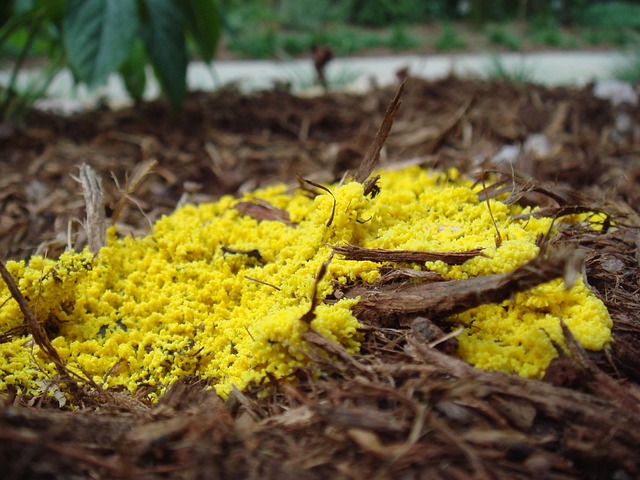
After successful mold remediation, preventing future growth is paramount to maintain a healthy living environment. At Property Restoration of the Capital Region, we understand that mold thrives in damp, poorly ventilated spaces—the very places that often escape immediate detection. That's why our experienced mold remediation teams in Sacramento, Houston, and Philadelphia not only address the visible signs of mold but also implement natural strategies to deter its return.
Natural mold remediation involves a multi-faceted approach starting with identifying and eliminating moisture sources, improving ventilation, and using environmentally friendly products. For instance, fixing leaky pipes or improving drainage around your home can significantly reduce humidity levels indoors. Additionally, promoting proper air circulation by opening windows (when weather permits) or installing exhaust fans in kitchens and bathrooms helps remove moisture from the air, creating an inhospitable environment for mold.
Beyond these measures, utilizing natural products like vinegar, tea tree oil, or essential oils can be effective deterrents. These compounds possess antifungal properties that inhibit mold growth without the use of harsh chemicals. However, professional mold inspection remains crucial to ensure comprehensive remediation and peace of mind. Regular inspections, especially in high-risk areas, enable early detection of any recurring mold issues, allowing for swift action before damage escalates.
By combining natural strategies with professional expertise, Property Restoration of the Capital Region offers tailored mold testing and removal packages designed to suit every need. We believe that effective mold remediation goes beyond quick fixes; it involves empowering individuals to create sustainable living spaces that discourage mold growth naturally, ensuring a healthier future for all.
By understanding mold's signs, types, and health risks, and recognizing the importance of professional testing for accurate identification, homeowners can take proactive steps towards effective mold remediation naturally. The article has outlined a comprehensive guide, from assessing the situation to preventing future growth. Key insights include the value of natural techniques for safe removal, preparing adequately before remediation, and the significance of post-remediation measures to inhibit mold recurrence. Armed with this knowledge, readers are empowered to tackle mold issues comprehensively, ensuring a healthier living environment through mold remediation naturally.